Sunday, December 20, 2009

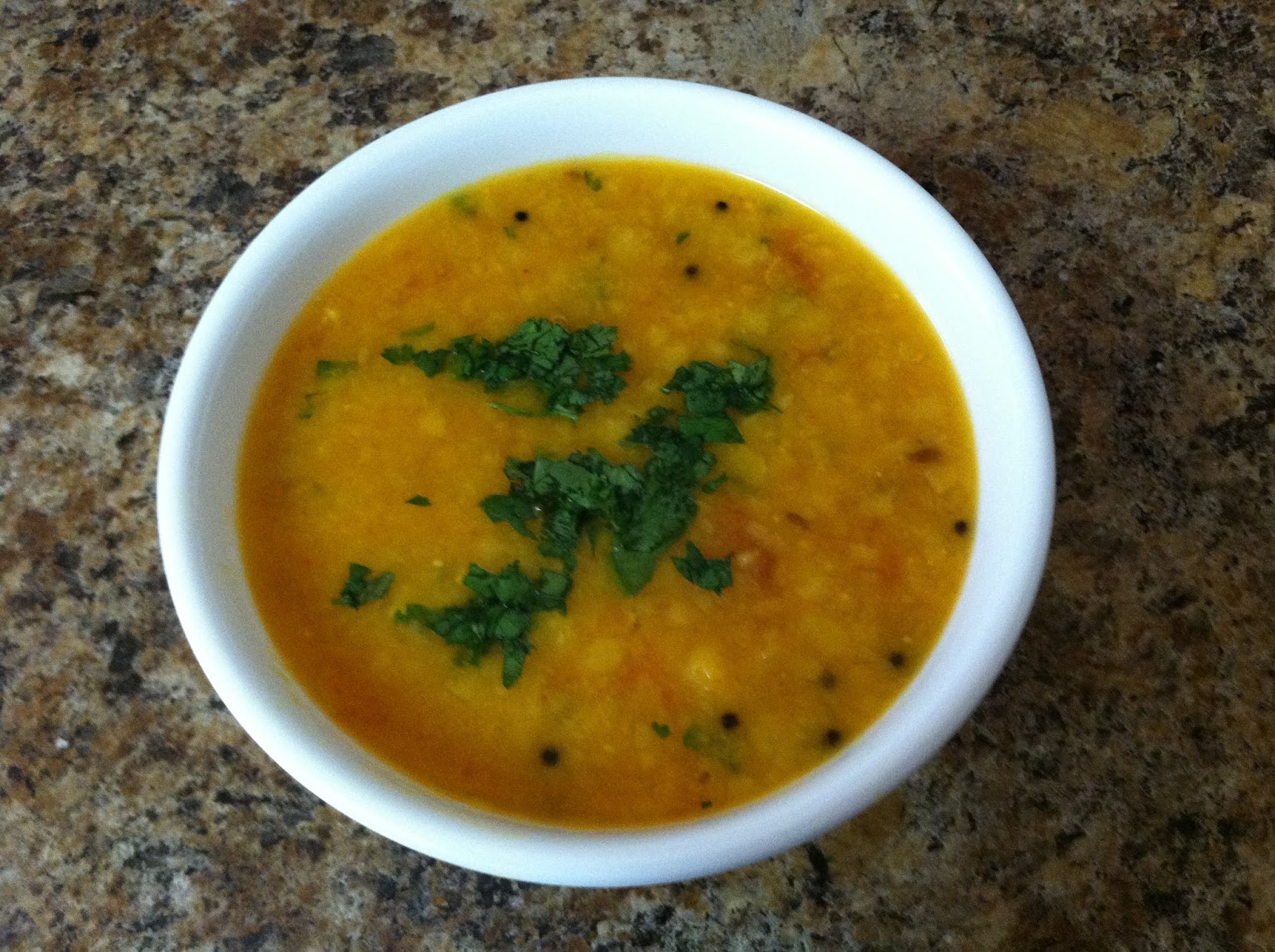
Kanda Pohe (Poha) - A Vegetarian Indian Snack Made of Flattened Rice


Pohe (in Marathi), or Poha (in Hindi) means flattened rice. It's prepared in many different ways. I am going to show you a simple preparation from the Indian state of Maharashtra, which is where my family comes from.

Though it's a really simple dish to make, growing up I always thought of pohe as a special treat. It brings back a lot of good memories to say the least because it was often eaten when the family got together.

A carbohydrate heavy dish, there aren't many people who won't like this one!

Kanda Pohe
Makes 4 snack sized servings, or serves 2 as a meal

Ingredients
300 grams of poha
2 medium sized potatoes, cut into cubes
1 small onion, choppped
2 tablespoons canola oil
1 teaspoon black mustard seeds
1/2 teaspoon turmeric powder
1/2 teaspoon cayenne pepper (or 1 green bird's eye chilli, finely chopped)
1-2 teaspoon salt
1 heaping tablespoon of sugar
1 large handful of cilantro, washed, leaves removed from stalks and chopped
Optional - freshly grated coconut

Method


1. Chop the onion and potato.
2. Heat the oil in a large non-stick pan.


3. Add the mustard seeds, and wait until they start talking (until they start popping).


4. Add the onion and fresh green chili if that's what is being used.
5. Cook on a medium heat for three to four minutes, until onion starts to soften.


6. Add potatoes and cover pan to help soften potatoes more quickly, stir occasionally.


7. In a strainer, add poha, and run water over until well soaked; allow to drain.


8. Place poha in a bowl. Add turmeric, chili (unless you used fresh green chili), sugar and salt.


9. Mix well, add lemon juice, and set aside.


10. Chop cilantro. Set aside. If you have fresh coconut, this would also be the time to grate it.


11. When potatoes are softened, remove lid and allow potatoes to brown until golden.


12. Add poha mixture to pan, and stir gently on a low heat until mixture becomes more yellow and slightly drier. This will take a few minutes.


13. Stir in cilantro, and remove pan from heat. Garnish with grated coconut.


14. Enjoy hot and fresh. The poha flakes become hard after some time if they become cold.

Thursday, December 17, 2009

An Easy Student Meal - Quick Stir-Fried Noodles


I recently wrote this recipe as a paper for class at my MBA program.

As I have learned over the past few months, time is of the essence as a First Year Student. We spend most of our time in class, preparing cases, attending briefings, getting ready for interviews, meeting with professors, participating in various clubs, and attending the occasional social event. For many of us, we struggle to find the few minutes where we can relax, turn on the TV, call friends and family, exercise, run errands and very importantly, eat.

While I realize that some first years do not cook, do not like to cook, and do not want to learn how to cook, I think there are a fair number of students who would enjoy learning a few easy meals to make. Though eating out is probably in many cases the fastest, it is often not as tasty, satisfying or healthy as making a meal at home, and besides, eating all meals out can get very repetitive, and the cost of eating out is usually more expensive too. There are only so many places to grab a quick bite on a school night.

As I was inventing this recipe, I was really trying to take the student lifestyle into account. Given our time constraints, I know we cannot be running to the grocery store very frequently, or be spending time searching around for an extensive and difficult to find set of ingredients. So, the list of ingredients needed to be short and simple. I also tried to take into account that the meal needed to be reasonably well -rounded in terms of the different food groups to give the student energy and nutrition. I tried to think about the shelf life and costs of the ingredients so that the student could have the ingredients around for a while should cooking plans not work out due to other unforeseen activities, and even then would not have to worry about the costs too much should there be spoilage. Finally, I made this a meal for one, knowing that many students live on their own. I hope you will find the following recipe user friendly and helpful.


Quick and Easy Stir-Fried Noodles – A Meal For One

Ingredients


1 packet of your favorite ramen type noodles (I used Sapporo Ichiban Chowmein Japanese Style Noodles)
4 ounces of chicken breast, or other type of meat (I usually keep a few frozen chicken breasts in the freezer at all times, and use one at a time at my convenience)
5 leaves of green or savoy cabbage
1 carrot
1 heaping teaspoon of cornflour or potato starch
2 tablespoons of reduced sodium soy sauce
1 tablespoon canola or vegetable oil
1 teaspoon of chopped garlic (fresh or jarred is fine)

Method – Approximately 15 minutes of preparation time, and 10 minutes of cooking time


1. Remove one chicken breast from the freezer. Slice immediately. It is easier to slice meat from frozen.


2. Chop the garlic finely.


3. Combine the chicken, cornstarch, garlic and one tablespoon of the soy sauce. Stir together well and allow to sit and marinate while preparing other ingredients. Cornstarch helps to seal in the moisture of the chicken.


4. Peel the carrot. This can either be done with a vegetable peeler, or by using a sharp knife to scrape away the outside layer of skin on the carrot. Using a grater, grate the entire carrot. Set aside in bowl.


5. Chiffonade the cabbage leaves. To do this, take one or two cabbage leaves, and roll them up. Then from one end, start running the knife through the leaves, cutting very close together. The end result will be very thinly sliced strips, and this is known as a chiffonade. Repeat until all the cabbage is in a chiffonade.

6. Now that the ingredients are prepped, it’s time to start cooking. Place half of the canola oil into a wok, or other large pan, and allow it to heat up until very hot.


7. Put the chicken into the wok, stir frequently until all of the pink is gone and the chicken has turned a whitish color, and remove to a bowl. This should take approximately two minutes.

8. In the same wok, put in the remaining canola oil. Heat thoroughly.


9. Add the cabbage and the carrot to the pan, as well as the remaining soy sauce. Make sure to add the vegetables before the soy sauce, or the soy sauce will splatter in the hot oil.

10. Stir occasionally until the vegetables become slightly tender. This should take approximately two to three minutes. If the vegetables start to stick or are getting browned, add a little bit of water to the pan.


11. As you are cooking the vegetables, simultaneously cook the ramen noodles in a separate pan, according to directions. If there is liquid left, drain the noodles so that they are completely dry, and then add the seasoning packet that came with the noodles.


12. Once the vegetables and noodles are cooked, add the noodles and chicken to the wok with the vegetables, and gently stir until well-combined.


13. Serve in a shallow bowl immediately!

Thursday, July 2, 2009

Eating in West Africa: Senegalese Style


A couple of years ago I went to Dakar, Senegal. I was fortunate enough to be able to learn about their food, how they cook some of their classic dishes, and the way they eat. The Senegalese people are very generous; if you are visiting someone at meal time, they will always share what they are having with you. Even walking past people on the street, you will often hear them exlaim, "Kaay leck!" which means "come and eat!" in the local language.

Under some expert supervision, I was able to help cook the Senegalese national dish, Thiéboudienne (pronounced Cheh Bu Jen). Thiéboudienne is a rice and vegetable dish, topped off with a delicately marinated grilled fish.


In Senegal, everyone gathers around a huge shallow-rimmed bowl to eat. The head of the house will break up the main item (in this case the fish), and place it in each person's section of the plate. Everyone eats out of this one plate, either with the right hand (never the left!) or with a spoon.


People typically eat quickly, with minimal conversation. They have a saying that translates roughly into "You only have one mouth, it cannot do two things at once." Conversation typically occurs both before and after the meal, often during an elaborate tea ceremony. This ceremony involves three cups of highly caffeinated tea, with each cup containing more sugar than the last. One Senegalese man prepares the tea by pouring it back and forth between two glasses to create a thick foam cover. This cover protects the tea from sand and dust. Each person drinks using one of these two glasses, refilling each time. Once everyone has had a taste, they begin brewing the next one!


I also went to a small ocean resort about an hour and a half south of Dakar. I was fortunate enough to observe the local village-men fishing. Their fishing method was simple; they take a boat out into the water, drop a net, and then pull it in from both sides.


They caught everything from sea snakes to a huge ray, as well as the average fish (of which I bought one and took it to the hotel for them to cook up for my dinner!).

Monday, June 29, 2009

Istanbul: The Spice Market, and Two Restaurant Recommendations


I had the opportunity to travel to Turkey this spring with one of my best friends, Lauren, and her mom. They really showed me a great time, and it's a trip I won't forget.


(mmm Turkish Delight!)

While we were in Istanbul, we stopped in the spice market. It's definitely worth visiting the spice market. There are all kinds of Turkish sweets, spices from Turkey and all over the world, and of course, Turkish specialties like baklava and pastrami. Please enjoy some of the photos I took a little farther down in this post.


Above the spice market is a famous restaurant named Pandeli. A couple of people had recommended it to me before my trip, so Lauren, her mom and I made sure to make Pandeli our lunch stop that day. Pandeli is most famous for it's sea bass en papillote (sea bass cooked in a parcel, photo below). That's what I had, and it was truly delicious.


I must mention one other restaurant I went to in Istanbul; Balikci Sabahattin. This restaurant is a seafood place, and every single thing we had there was excellent. Unfortunately I didn't take any photos, but it would be the first restaurant I would head to if I was back for another visit to Istanbul.

Please enjoy the photos of the market; it was a lot of fun to visit, and a great place to pick up some Turkish Delight to bring home to friends and family!

Turkish Delight and other tasty treats...


Lots of spices...


Peppercorns...


Turkish Saffron...


Baklava...


Something else that looked tasty but I don't know the name of...


Dried vegetables including dried aubergine (eggplant) which I had never seen before...


A huge wheel of goat's cheese...


Pastrami, which was more cured and more spicy (but less peppery) than the American version...


Finally, pomegranate tea... so pretty!

Thursday, May 28, 2009

An Easy Accompaniment: Tomatoes Provencal


The prep for this dish is very quick; once it's assembled, just bake them for thirty minutes and they are ready! Personally, I'd serve this as a side item for steak or rack of lamb, or something equally robust.


Tomatoes Provencal
Makes twelve servings

Ingredients
6 on the vine tomatoes
1 cup of breadcrumbs
1/4 cup of finely chopped flat leaf parsley
1 clove of garlic
good extra virgin olive oil
salt
pepper


Preheat the oven to 375 degrees Fahrenheit. Line a deep, oven safe baking dish with foil (helps with the cleanup at the end!).


Take out the top core of the tomatoes, cut them in half and place them in the baking dish.


Remove the stalks from the parsley. Finely chop the parsley and clove of garlic. Combine the parsley and garlic with the breadcrumbs, salt and pepper.


Spoon the mixture generously over the tomatoes.


Then, drizzle olive oil over the top.


Bake for approximately 30-40 minutes, or until the breadcrumbs are golden brown on the top. The tomatoes can be served warm or cold.

Monday, March 30, 2009

Creamy Coconut Ice Cream

If you have an ice cream churner, try this recipe. Serve this ice cream with chocolate shavings or incorporate chocolate chips into the ice cream itself. Alternatively, serve it as an accompaniment to something tropical... I served it with a passion fruit mousse. The acidity of the passion fruit, and the sweetness of the ice cream, balanced each other out nicely.

Ingredients
Makes 6-8 servings

200ml coconut milk
50ml milk
300ml whipping cream
30ml Malibu
100g caster sugar


Method

Place the sugar in the coconut milk and milk over low heat until the sugar is fully dissolved; allow to cool. Combine all the ingredients. Place on ice cream machine. Once churned, place in air tight container in the freezer, allow to fully freeze, and then use as necessary.

Sunday, February 22, 2009

Did you Know? The Difference Between Croissant Shapes


Some plain croissants are straight, and some are joined together at the ends in a sort of crescent moon shape. I never knew that this actually meant something. I thought the shape of the croissant was simply the preference of the person who had shaped them.

What I learned recently is that the shape of the croissant - straight across or crescent moon, reflects the ingredients inside... in France at least. In France, it is the law, that only a croissant made with pure butter can be straight. If a croissant is made with any other sort of fat, for example, margarine, it must be joined at the ends to form a crescent moon shape.

The next time you buy a croissant, you might be a little more inquisitive about what it's made of...